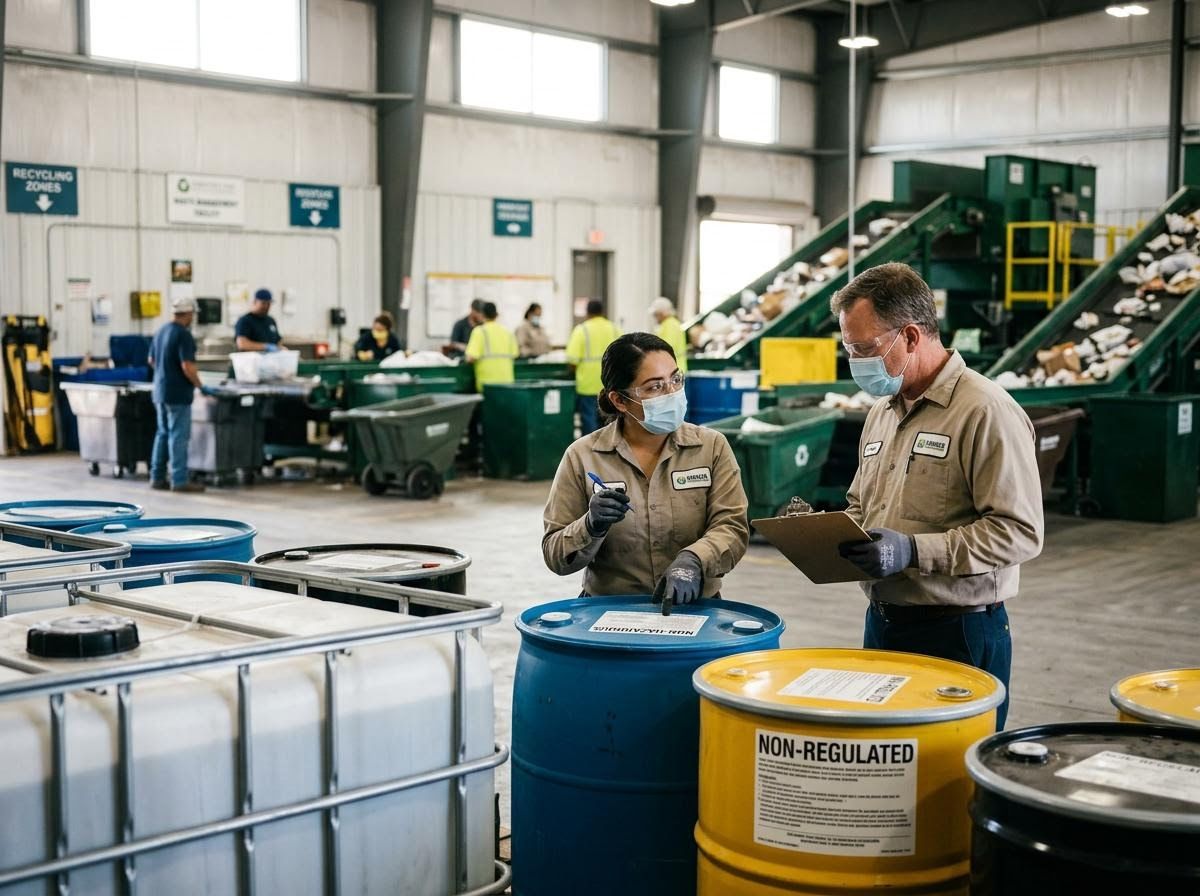
In the complex world of waste management, precision in terminology is paramount. While often used interchangeably, understanding the difference between "non-hazardous" and "non-regulated" waste is crucial for compliance and environmental stewardship. Environmental Waste Solutions in Parker, Arizona, recognizes that this distinction profoundly impacts how materials are managed. Grasping these definitions is the first step towards truly responsible and sustainable waste practices.
Deciphering "Non-Hazardous" Waste
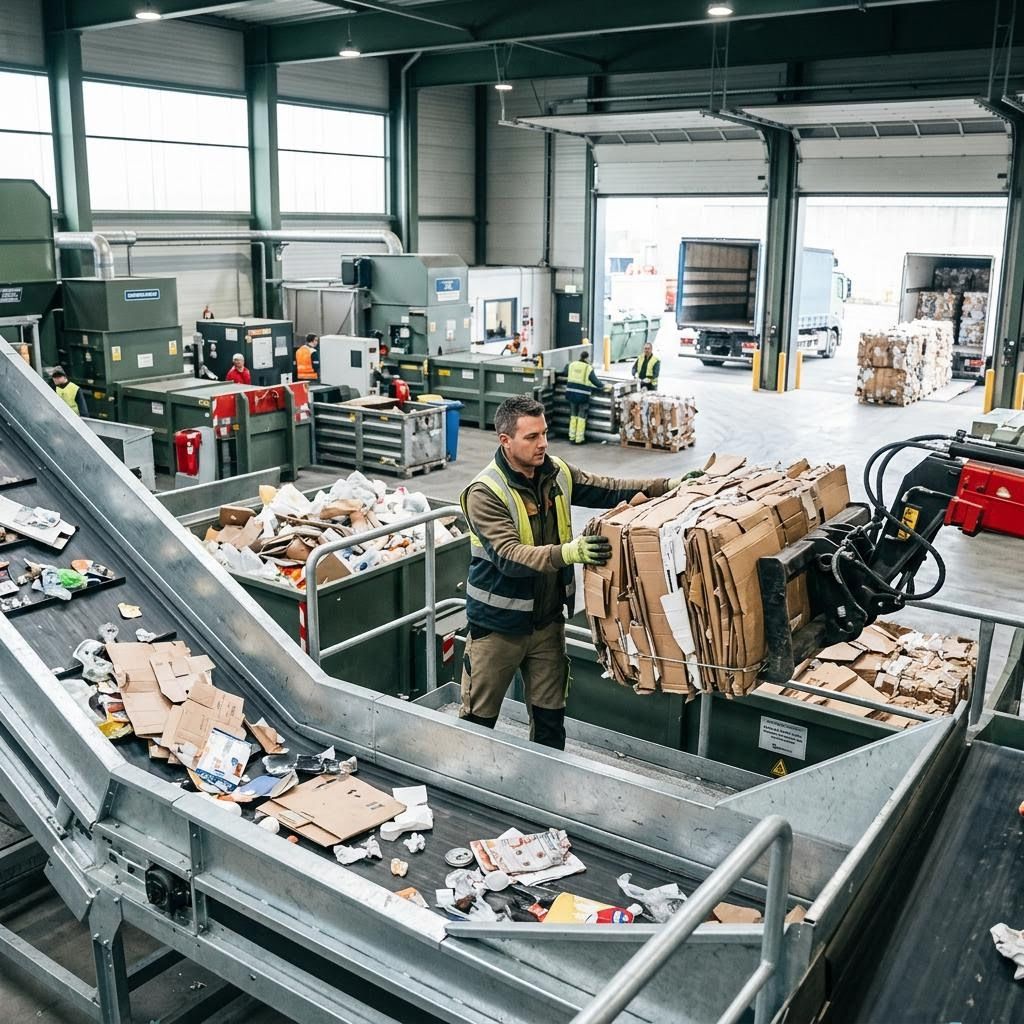
"Non-hazardous" waste, at its core, refers to materials that do not meet the regulatory criteria for hazardous waste as defined by agencies like the EPA, primarily under the Resource Conservation and Recovery Act (RCRA). This definition is often based on characteristics such as ignitability, corrosivity, reactivity, or toxicity, or if it appears on specific hazardous waste lists. While a material might not legally be "hazardous," it doesn't automatically mean it's benign or can be indiscriminately discarded. Responsible waste disposal services still apply rigorous standards to ensure even non-hazardous materials are handled appropriately, preventing potential environmental impacts. The absence of a hazardous classification simply means it doesn't trigger the stringent cradle-to-grave management requirements associated with hazardous waste disposal.
Understanding "Non-Regulated" Waste
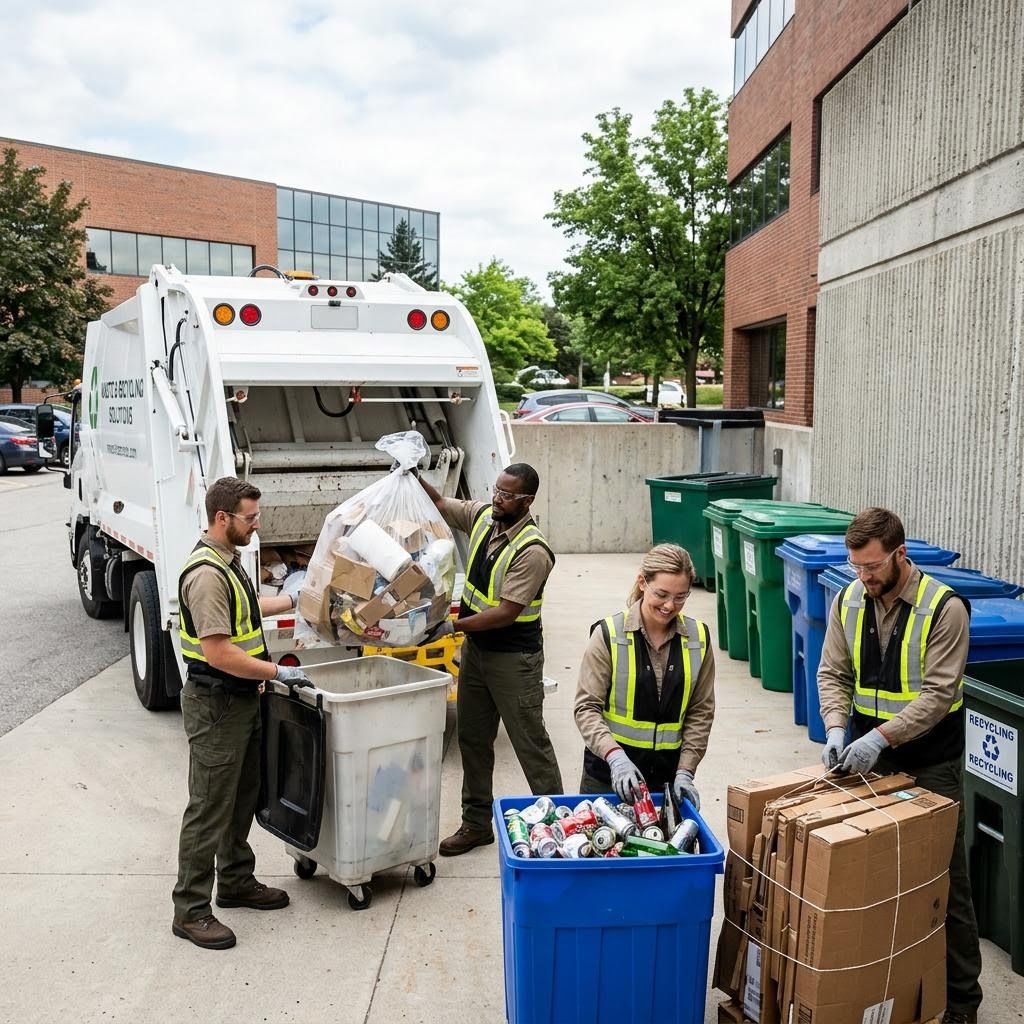
"Non-regulated" waste introduces another layer of nuance. This term applies to materials that, for various reasons, are exempt from certain specific waste management regulations, even if they might possess some hazardous characteristics. Exemptions can arise from factors such as generator status (e.g., very small quantity generators), specific waste streams (e.g., certain universal wastes or household hazardous wastes that are managed under different rules), or if the waste is being beneficially reused or recycled under specific provisions. It's vital to understand that "non-regulated" does not mean "free from all oversight" or "environmentally harmless." Businesses often require specialized commercial hazardous waste management services to navigate these subtleties, ensuring that even non-regulated materials are processed at an appropriate TSDF facility to prevent future liabilities and promote environmental protection.
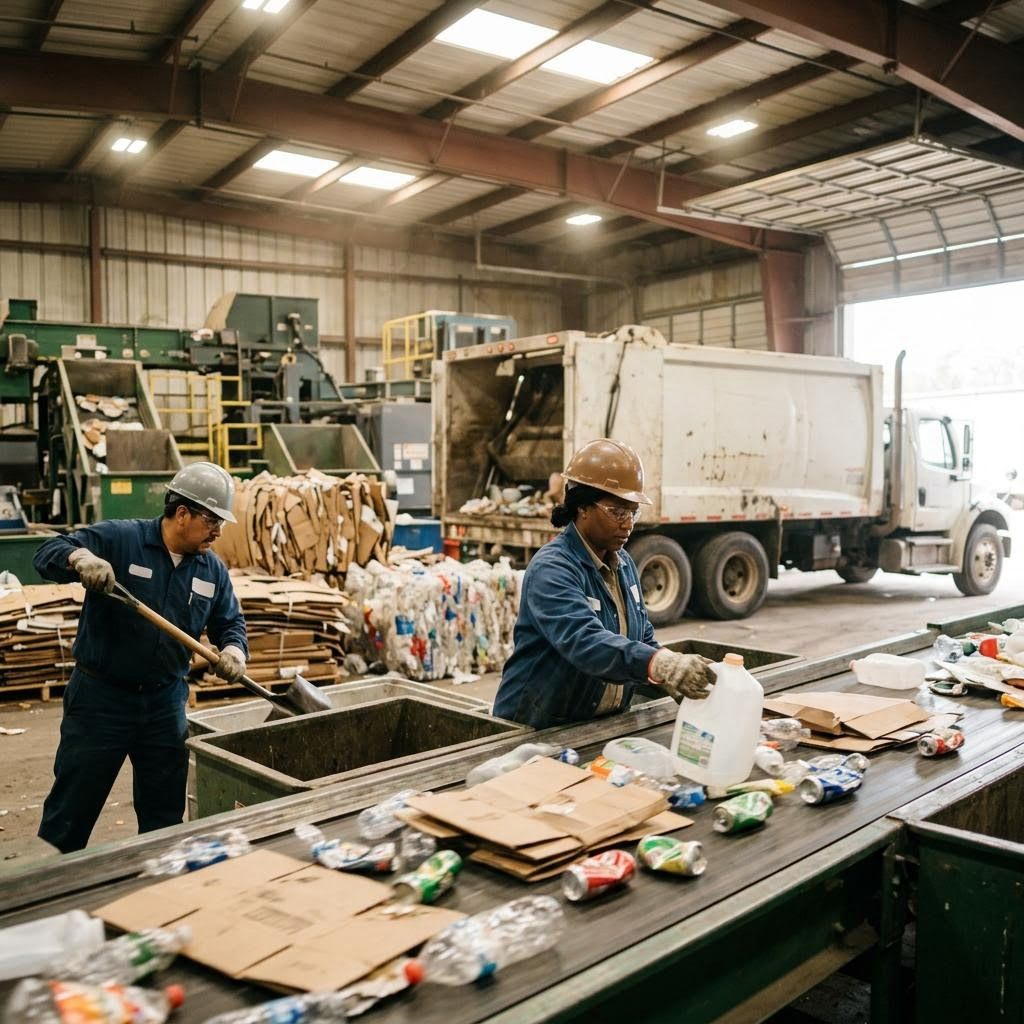
The Critical Distinction for Responsible Management
The difference between "non-hazardous" and "non-regulated" is not merely semantic; it dictates compliance requirements, potential liabilities, and ultimately, the environmental footprint of an organization. Misidentifying waste can lead to significant fines, environmental damage, and reputational harm. A forward-thinking approach to waste management demands a deep understanding of these classifications, allowing businesses to implement the most effective and sustainable waste disposal strategies. Embracing technological solutions and expert guidance ensures that every waste stream, regardless of its classification, contributes to a circular economy and responsible materials management, fostering true landfill diversion.
CONTACT US TODAY
Understanding the subtle yet significant differences between non-hazardous and non-regulated waste is fundamental for any organization committed to environmental responsibility and operational excellence. This knowledge empowers businesses to make informed decisions that safeguard both the environment and their bottom line. Environmental Waste Solutions is dedicated to advancing waste management practices through cutting-edge technology, transforming waste into resources and championing true landfill diversion. To explore how these distinctions can optimize your facility's waste stream management, consider consulting with our experts in Parker, AZ, in advanced waste treatment solutions. Contact us today.